

Mobile device conversion
Mobile devices: Don't lose the overview
In the digital age of mobile devices in logistics, two challenges await: Windows is discontinuing mobile device support, and Android is the successor. At the same time, a growing fleet of devices needs to be maintained. Help can come from Honeywell's Mobility Edge platform.
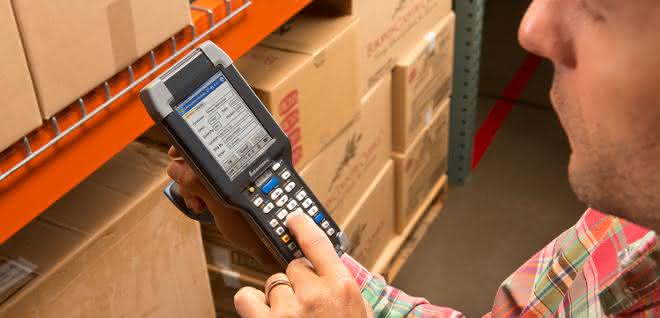
The clock is ticking. Inexorably. It will soon be time for a major changeover. This means the end of Windows Embedded Handheld and Windows CE operating system support for numerous mobile computers currently used in logistics, whether in warehouses and distribution centers or on transport routes.
For example, the window for Windows Embedded Handheld 6.5 will close at the beginning of next year - on January 14, 2020 to be precise - causing headaches for many logistics and transportation companies. After all, it comes at a time when more and more work processes are being carried out via mobile devices, driven by employees' private user experiences and the associated demands on workplace design on the one hand and the high productivity and work efficiency gains on the other.
Of course, the old Windows systems are still useful for existing applications, but their days are definitely numbered. Time to think about a changeover. Those who make the right decisions here will gain planning security for at least five to six years.
Clear trend for the operating system
Admittedly, it is not an easy situation for IT departments at the moment. The number of mobile devices with different user applications, application environments and form factors is increasing rapidly. However, implementation is not enough, as managing and maintaining the different hardware and operating systems is particularly time-consuming and cost-intensive.
The certification and uniform provision of business applications on every device and for every operating system version becomes even more labor-intensive if the mobile solutions are built on separate technology platforms. In addition, in the case of upcoming installations of new operating system versions, there are different test scenarios in a development environment, depending on the type of device implemented, before the system can be rolled out company-wide.
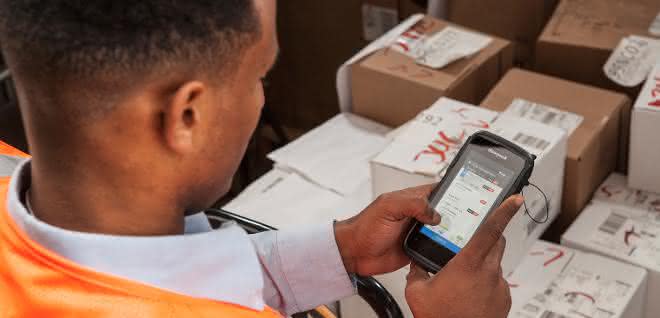
A standardized operating platform can be a valuable basis for bringing some order to the chaos and enabling future-proof device management. As the market is moving away from Windows anyway, it is the ideal time to look at this market and look for a suitable successor. There is no need to look too far, as there is a clear trend that the logistics sector will not be able to avoid: Android.
According to VDC Research, Android's market share for rugged devices in retail, field service, warehouse and delivery increased from 24 percent in 2015 to nearly 37 percent in 2016. Android adoption continues to gain ground as organizations take advantage of Android's enterprise security, reliability and strong performance and management features. However, a standardized operating system is only a first step towards the hoped-for improvement. The number of mobile devices in companies is already high and will continue to rise. They all need to be managed efficiently and new devices need to be implemented without a great deal of effort. Appropriate mobile device management is therefore essential.
Mobile device management should also be considered
Even if all applications have been converted to Android, each new operating system version typically requires a lengthy and costly certification process. However, companies can hardly afford to wait for this. Nor can they afford to manage each device, development or deployment individually. A central mobile device management platform should therefore be considered as part of the migration from Windows to Android.
Modern solutions allow IT managers to put together a single configuration package with all the desired upgrades and new features and then roll this out to the entire device pool simultaneously via a provisioning server. Such a package can include, for example, simple basic settings for energy modes and the implementation of voice input, but can also contain self-developed software programs, for example for parcel delivery or storage. All future updates can be carried out with just a single click thanks to special upgrade software, with the devices automatically updating each other with the newly available update as required.
The advantages of such centralized mobile device management are obvious: devices are implemented and deployed faster, deliver optimal performance and have a longer product life. During operation, security patches as well as new tools and configuration package elements can be installed without major effort. As the rugged devices designed for business and industrial use in particular last several years longer than conventional consumer smartphones, not only is the IT department in a friendlier mood, the company also benefits from a high level of investment security.
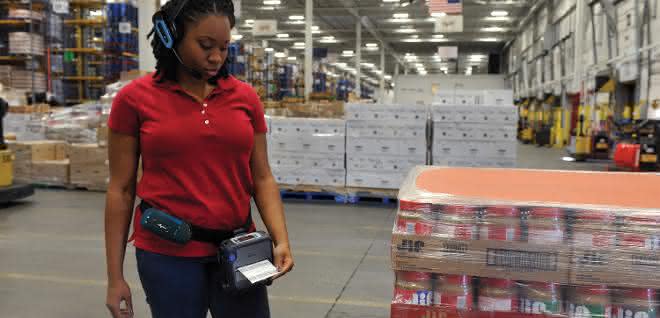
This is even more evident with guaranteed long-term operating system support. With the Mobility Edge platform, for example, Honeywell offers a central device management solution that was developed together with Qualcomm and Google. Operating system support up to Android 10 is guaranteed for all newer Android models in the Mobility Edge series that are equipped with a corresponding chip set and where device management is virtually included. This means investment security until 2025.
Future-proof investments in mobile devices for use in logistics not only include Android as the future operating system, but above all considerations relating to a suitable mobile device management platform. This should make it much easier for the IT department to manage the chaos of different mobile devices, but also provide the company with loyal service over several years. as


You might also be interested in
Predictive maintenance in retrofit
Predictive maintenance pays off. This is because early detection of impending failures means that systems can be serviced in a targeted manner before production downtime occurs. But how complex is it to integrate such a maintenance concept into an...
 read more...
Maintenance instead of replacement
The circular economy starts with the machinery
Sustainability in industry starts with machines, says our guest author from Deguma: How maintenance, modernization and the 5R strategy save resources, energy and CO₂.
read more...3D printing for unplanned requirements
The material fails and the machine suddenly stops? Then you need to take the right measures to be able to resume production quickly. Material failure in the form of faulty components or material wear in the frame are a risk for any production.
read more...High demands in terms of safety, application and robustness
Demanding work in the electrical trade and energy supply as well as smooth processes in production require innovative and customized measurement technology that scores points for safety, ease of use and resilience.
read more...Car meets e-bike: riding with lubrication-free polymer bearings
Studies show that the proportion of pedestrian and bicycle traffic is increasing in urban areas. With the JetBike, JetBike GmbH from Braunschweig presents a mixture of e-bike and car and relies on lubrication-free polymer bearings from Igus.
read more...Hydraulic hub for more efficient servicing
Bosch Rexroth presents a digital toolbox for service and maintenance. With a comprehensive range of digital services, the Hydraulic Hub simplifies and accelerates the service and maintenance of hydraulic products and increases machine availability.
read more...Arnold Umformtechnik expands after-sales...
Faster help with VR glasses
Arnold Umformtechnik is expanding the after-sales service for its machines to include digital remote services. The focus is on data security, simple operation and clear processes.
read more...147,000 euros per hour: high costs for German companies due to unplanned downtime
According to the "Value of Reliability" study, 67% of industrial companies in Germany experience unplanned downtime at least once a month. This costs the German economy 147,000 euros per hour. Nevertheless, reactive maintenance concepts are not...
read more...Maintenance starts with a maintenance planner
Legal requirements stipulate that machines and systems must be serviced regularly. The maintenance work serves to ensure occupational safety and economic efficiency.
read more...