

Electromobility and the supplier industry
Bosch wins major order from Mercedes-Benz for electric motors
The automotive industry is looking for stability in difficult times. Demand for electric cars is developing more slowly than expected in many places, while at the same time competitive pressure is growing - especially from China. A major new order from Mercedes-Benz comes at just the right time for supplier Bosch: the company is to supply electric motors for the premium manufacturer's next generation of electric drives until the 2030s.
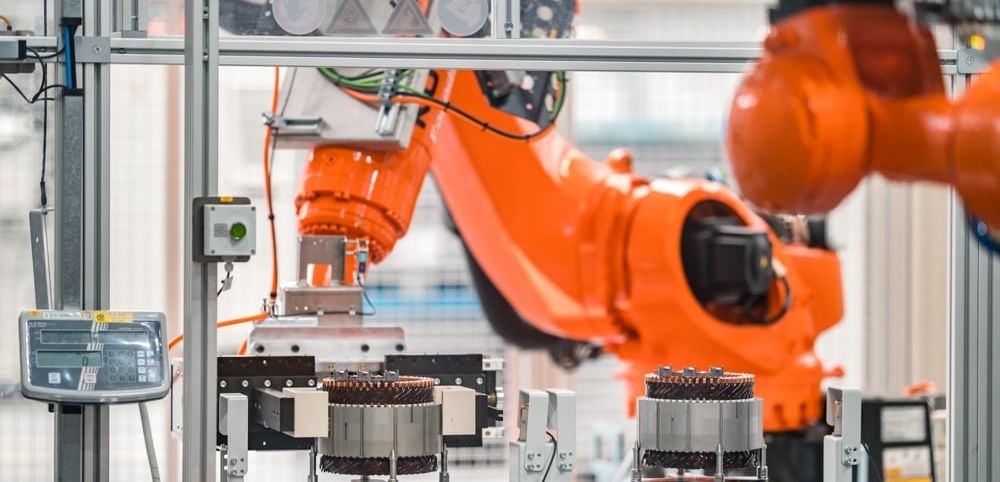
Major order in a difficult market environment
It involves engines for several performance classes and large quantities. For Bosch, the order is therefore not only economically relevant, but also a signal in the global competition among automotive suppliers. "The new order reaffirms our long-standing partnership with Mercedes-Benz and shows that we can also successfully contribute our expertise to technologically demanding projects," says Markus Heyn, member of the Bosch board of management and chairman of Bosch Mobility.
Bosch relies on global economies of scale
The Group points out that it won more than 70 projects worldwide in the field of electromobility last year alone. According to Bosch, the company now supplies more than 50 car manufacturers with technology for electric driving. Despite the difficult market conditions, the company considers itself to be on track.
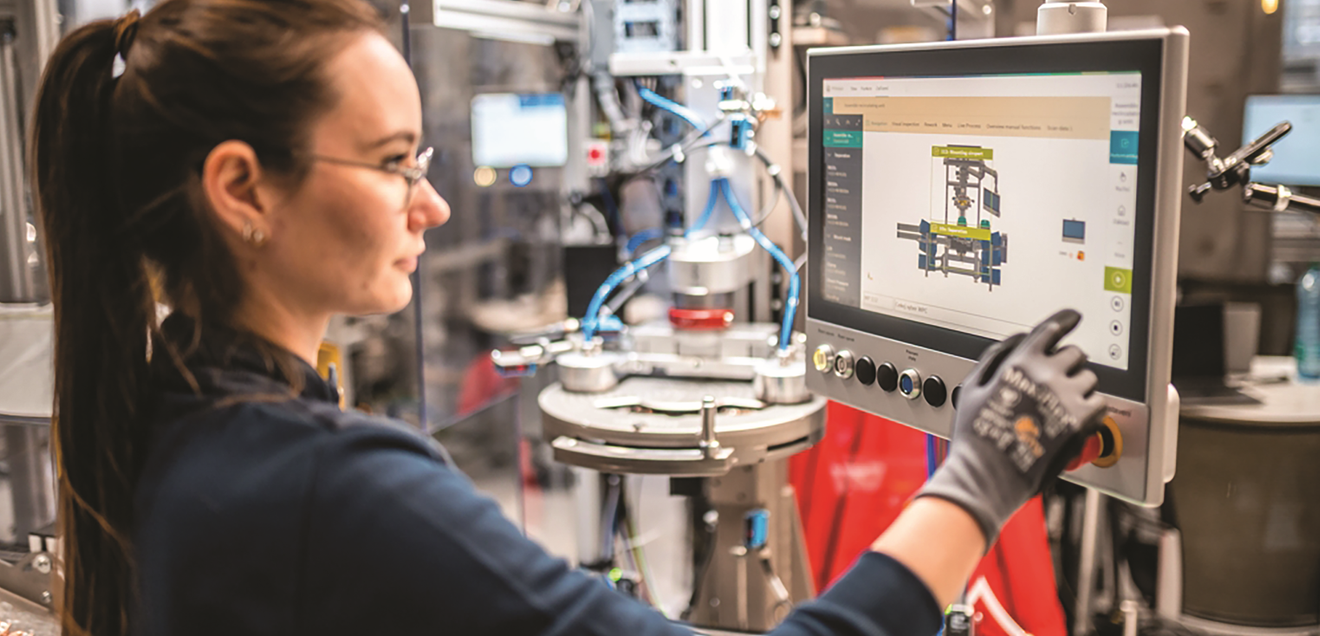
"We impress customers with our core expertise in developing and manufacturing complex technology in large quantities with significant economies of scale worldwide. We deliver solutions for electric driving to all markets around the world," says Heyn.
Focus on efficiency and modular platforms
In terms of technology, Bosch is focusing primarily on efficiency and scaling. According to the company, the electric motors achieve an efficiency of up to 98 percent. Among other things, this is made possible by a new winding technology and so-called rotor oil cooling, which dissipates the heat generated more effectively. At the same time, Bosch is pursuing a modular approach: the motors can be built to different lengths depending on the power requirements and integrated into different axle variants. This should help manufacturers to reduce development and production costs.
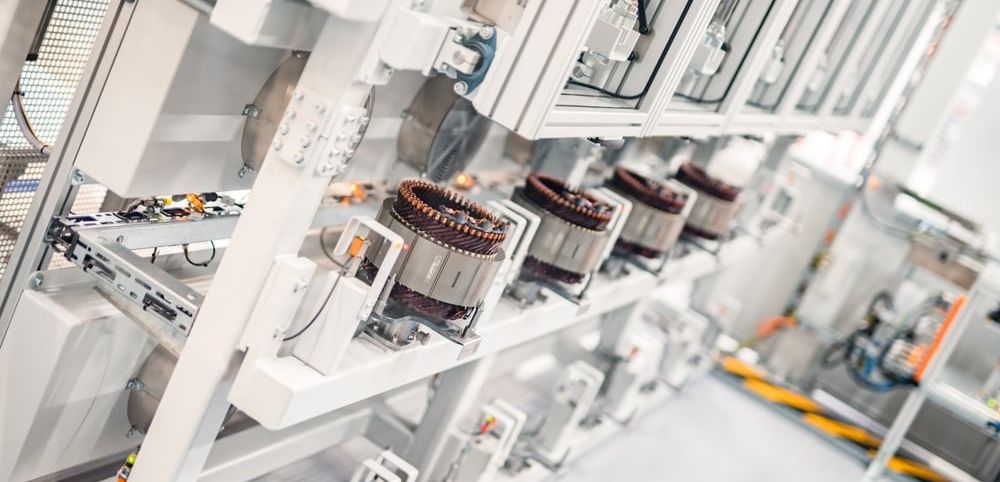
It is precisely this flexibility that is becoming increasingly important for the supplier industry. While manufacturers are trying to standardize their electric platforms worldwide, the importance of large system suppliers who can produce large quantities efficiently is growing. Bosch is therefore no longer just working on individual components, but on complete integrated drive solutions.
According to the company, it plans to produce more than seven million components for electric driving in 2026. Around seven electric motors per minute currently roll off the production line worldwide.
India and China remain key markets
The international markets remain particularly important. In India, Bosch is developing e-axles for the local market together with Tata AutoComp Systems as part of a joint venture. The company is also continuing to expand its activities in China, the world's largest automotive market.
"We work with almost all Chinese car manufacturers, but also with numerous international car manufacturers operating in China," says Marco Zehe, Chairman of the Bosch Electrified Motion division.
Bosch says it has been producing for numerous Chinese manufacturers for more than ten years and now supplies more than 30 customers there with technology for electromobility.
From component supplier to system provider
The Group is continuously expanding its range. In addition to classic electric axles, Bosch is now developing so-called X-in-1 systems, which combine the electric motor, power electronics, transmission and energy management. The systems are designed to be more compact, lighter and more cost-effective. This could be a decisive advantage for manufacturers - in a market where efficiency is becoming increasingly more important than prestige.


You might also be interested in
Drives for Extreme Conditions
Standard solutions quickly reach their limits under extreme conditions. Together, Ultra Motion and Faulhaber develop custom-designed actuators for deep-sea, space, and other demanding applications that place the highest demands on reliability and...
 read more...
New drive for rotary kilns
After rolling bearing damage to a rotary kiln in a cement plant, the existing gear rim was badly damaged and had to be replaced. SEW-Eurodrive worked closely with the operator to supply a new ring gear and supported the commissioning. The project...
read more...New DC motors in the Faulhaber portfolio
Compact powerhouses with versatile configurability
With the expansion of its product portfolio, Faulhaber is presenting several new additions to its DC micromotors: the powerful motors of the new 1437 GXR family with copper-graphite commutation and the precious metal commutated motors of the proven...
read more...Electric motors and batteries in a circuit
Batteries and electric motors are electromobility components that contain valuable raw materials. The "Zirkel-Konsortium" has set itself the task of developing technologies to feed these raw materials into a circular economy. One key to an efficient...
read more...Drive technology 2025
Drive technology is the heart of every production process. Nothing moves without it, and no machine can do without drive technology components. From frequency converters, electric motors and gearboxes to clutches and brakes. Who offers which...
read more...Floating hybrid actuator increases precision in guideways
For large machine tools with a large working area, the challenge is to maintain the shape tolerance of the guideway over the entire length of the guideway in order to achieve precision throughout the entire working area.
read more...A clean affair
At SPS, Heidrive will be presenting stainless steel motors that are suitable for challenging environmental conditions. The servo motors have been specially developed for production environments with high demands on corrosion protection, cleanliness...
read more...Drive technology 2024
Drive technology is the heart of every production process. Nothing moves without it, and no machine can do without drive technology components. From frequency inverters, electric motors and gearboxes to clutches and brakes. Who offers which...
read more...Battery technology for material transportation
Strong and robust for indoor and outdoor use
Farasis Energy, the developer and producer of high-performance battery technology and pouch cells, will be showcasing its products for electromobility at Logimat.
read more...