
Looking ahead
Surface technology networks
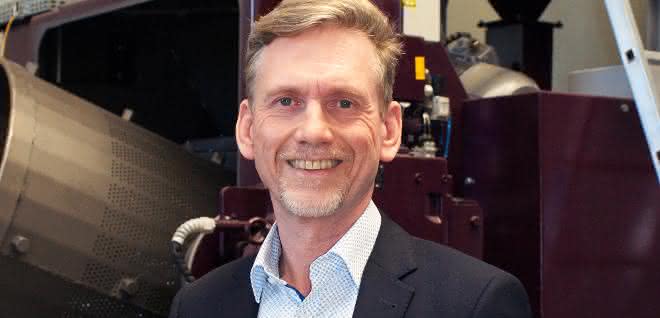
We spoke to Ulf Kapitza from blasting system manufacturer Agtos about the role of surface technology in the networked factory and the latest technological developments.
How does surface technology fit into the networked industry?
It is not only the collection and provision of data that is essential, it is much more important to combine and process it with other production data. A prerequisite for networking is that the systems supplied by different OEMs "understand" each other. In this context, the VDMA member companies are developing interface standards based on OPC UA. These companion specifications enable standardized data exchange between the surface technology systems and the production environment. Integration into the production communication structure can thus be implemented much more efficiently. More than 600 companies are currently working on this in 30 working groups within the VDMA. In VDMA Surface Technology, the first project group is focused on painting technology. The OPC UA blasting technology project group, in which Agtos is also represented, is scheduled to start in the first quarter of 2021.
You specialize in blasting systems: What has been the most important technical advance here in the past 12 months?
The constant focus on changing customer requirements is typical of blasting technology. The industry is currently preoccupied with the automotive industry's switch to lighter combustion engines and electric drives. The need to adapt the blasting process to this became apparent well before the end of the year. Agtos has therefore not only developed blasting machines specially designed for processing aluminum parts. In addition, a new high-performance turbine was created, which applies the light and softer aluminum blasting medium to the workpieces without machine-related wear. This brings further cost benefits. New production processes for car bodies and other vehicle parts will also fuel the innovation process.
How time-consuming is it to clean your own components?
The applications are as varied as the requirements for the surfaces. There are therefore various main criteria for component cleaning. In addition to space, labor and capital commitment, other factors play a role in the decision-making process. For example, the need for immediate availability and the associated processes. Having your own blasting system makes you independent of capacity planning and transportation times of suppliers and service providers. The gain in in-house expertise should not be underestimated. In addition to pure expertise, surface technology has a lot to do with experience in terms of machine settings and selecting the right blasting media for the application. Finally, there is the possibility of cost control. A well-maintained blasting machine saves on service and spare parts costs. Anyone who does not want to or cannot deal with all these aspects should fall back on an experienced service provider. There are very good contract blasting companies on the market.


You might also be interested in
"We are clearly different from the competition"
The IT company 21unity offers a range of hardware and software services, as well as traditional services. Andreas Mühlbauer spoke to Managing Director Anja I. Gondolf about the company's appearance at the Hannover Messe, its services and future...
 read more...
Think digital, act local
When it comes to industrial damping technology, on-site advice is often very valuable for engineers and designers.
read more...Plagiarius 2024 negative prize
On January 26, 2024, the Plagiarius campaign awarded its dreaded "Plagiarius" negative prize for the 48th time to manufacturers and retailers of particularly brazen counterfeits and fakes.
read more...Spindel Full Service records second-best...
Maintenance as an economic success factor
Spindel Full Service, the spindle repair specialist from Baden-Württemberg, can look back on its second-best financial year in its history - with 15% growth compared to the previous year. And the further forecast also looks good.
read more...Thyssenkrupp and Novelis cooperate
Platform for the circular economy
With a platform for the circular economy in the automotive industry, the two companies Thyssenkrupp Materials Services and Novelis want to set new standards for the recycling of used materials. The open platform will enable access to larger...
read more...How production can benefit from AI
Together with AI technology, IIoT networking makes it possible to better control machine parameters and optimize quality with predictive quality. Downtimes and set-up times can also be further minimized. Cloud platforms also make these technologies...
read more...Marco Ghirardello takes the lead
Fanuc has appointed Marco Ghirardello (48) as the new President and CEO of Fanuc Europe. Ghirardello succeeds Shinichi Tanzawa, who has led the company since 2016 and will take on a new role at Fanuc's headquarters in Japan.
read more...Efficient robot monitoring
Microchips are installed almost everywhere - whether in smartphones, washing machines or cars. With increasing digitalization, the demand for semiconductors has been growing rapidly in all areas of the economy for years.
read more...Everything on one platform
Functional and powerful tools are essential for professional work on the construction site, in the workshop or when carrying out repairs.
read more...