

Product and brand piracy
Plagiarius 2024 negative prize
On January 26, 2024, the Plagiarius campaign awarded its dreaded negative prize "Plagiarius" for the 48th time to manufacturers and retailers of particularly brazen counterfeits and fakes. The award ceremony took place during a press conference at the Frankfurt consumer goods fair "Ambiente".
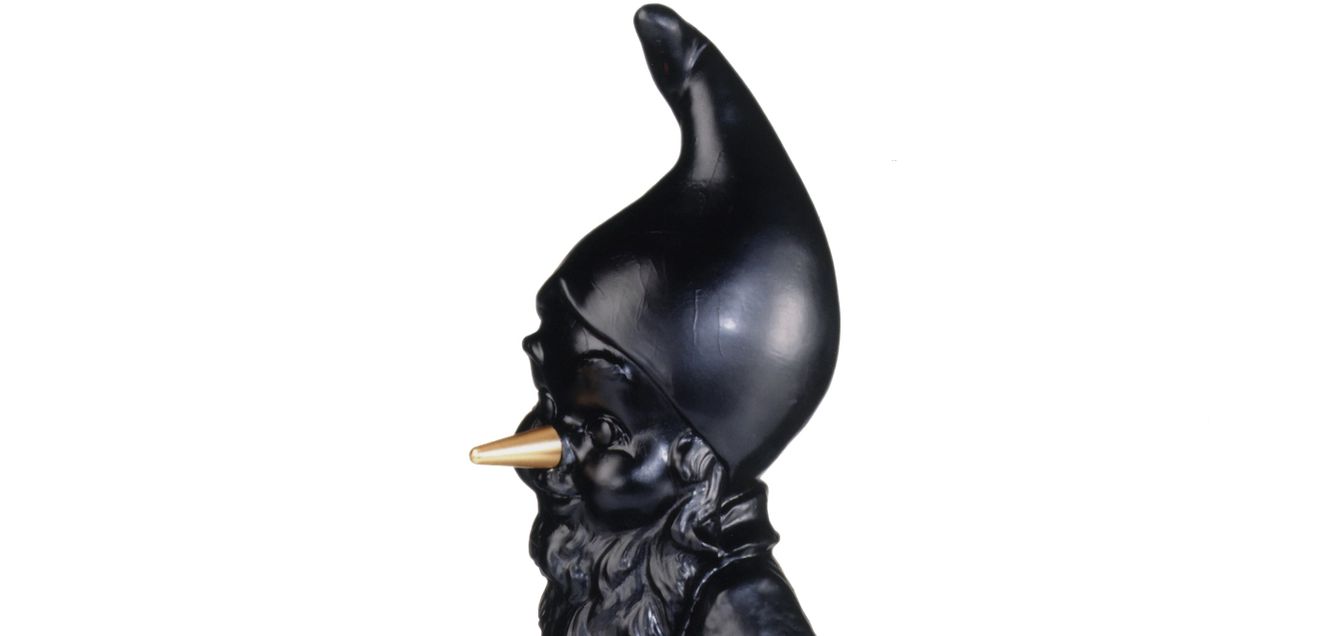
Before the annually changing jury selects the winners, the alleged plagiarists are informed of their nomination and given the opportunity to comment. The award of the negative prize says nothing about whether a counterfeit product is permitted or illegal in the legal sense. Aktion Plagiarius cannot pronounce law. However, it can express the opinion that crude 1:1 imitations, which deliberately look deceptively similar to the original product, are reckless and morally reprehensible and lead to stagnation instead of progress and diversity. For the first time, the award winners also include well-known platform operators who take action against infringing imitations after being notified by the rights holders, but not proactively and preventively.
You can find all the award winners here in the picture gallery
According to the European Commission and the European Union Intellectual Property Office (EUIPO), around 86 million counterfeit goods with an estimated value of over 2 billion euros were confiscated at the EU's external borders and in the EU's internal market in 2022 alone. And these are only the proven seizures by customs and police authorities, i.e. the tip of the iceberg. The EUIPO and OECD put the international trade in counterfeits at an alarming 412 billion euros in 2019, which corresponds to 2.5% of global trade.
Thanks to high demand and acceptance, Chinese online platforms such as Temu, Shein, DHgate and AliExpress are conquering global markets with their cheap products - including numerous infringing counterfeits or products that do not comply with EU product safety regulations. The manufacturers or retailers, mostly from China, often sell directly to end customers. The latter thus become importers and are liable for third-party damage. The cheap goods are aggressively advertised on all social media; young bargain hunters are enticed to make regular purchases with knock-down prices and a wheel of fortune. There is hardly any information about the sellers. The goods are often delivered without the CE mark required for many products and without operating instructions in German. Return shipping in the event of a complaint is often excluded or is more expensive than the cheap product. The sometimes inferior products are transported across the globe and quickly end up in European waste. This is not sustainable, minimalist consumption.
Industry demands proactive approach from eCommerce platform operators
The platform operators have intensified their efforts in the fight against product and brand piracy and offer holders of industrial property rights programs for reporting infringing offers, among other things. Nevertheless, companies from a wide range of industries continue to report plagiarism or even counterfeiting of their products.
However, it would be technically feasible with AI to block relevant hashtags, proactively detect clearly infringing content and not allow it in the first place and repeatedly block or delete illegal content as soon as it is uploaded. The industry is calling for platform operators to be held more accountable. On a positive note, the EU Parliament and EU Council recently agreed on a new product liability directive. Once it comes into force, traders from third countries will always have to name a company based in the EU that can be held liable for the products they sell.
This year's laudator, Heidi Kneller-Gronen, lawyer and Managing Director of the Bundesverband Onlinehandel e.V. (BVOH), also calls on politicians: "In order to restore a level playing field and stem the tide of counterfeit and dangerous products, parcels from third countries must be better controlled. There is an urgent need for politicians to take action and provide the authorities with the necessary resources to ensure that rights are effectively enforced. Uncontrolled goods must - also for the protection of consumers
not be allowed to enter the market in the first place."
Markets are regulated by supply and demand. It is within the power and responsibility of every consumer to consciously choose safe, legal products from reputable manufacturers and retailers - and thus deprive counterfeiters of their business basis. Because it doesn't matter whether the brand is just on it or in it. And because health, safety and environmental protection are everyone's business.
Plagiarius prizewinners in the museum
In its unique exhibition, the Museum Plagiarius in Solingen shows more than 350 Plagiarius award winners from a wide range of industries - original product and plagiarism in direct comparison. Guided tours provide facts and background information. Exhibits can also be booked with Aktion Plagiarius for individual external exhibitions - as can lectures for a wide range of target groups.


You might also be interested in
German industry under pressure
Industry association cancels growth forecast
The Federation of German Industries (BDI) believes that German industry remains under pressure and expects stagnation instead of growth. At the same time, the association is emphasizing the industry's innovative strength at the Hannover Messe.
 read more...
Why eleven federal states are calling for the use of low-emission steel in the automotive industry
Heads of federal states put pressure on Brussels: Eleven German federal states appeal to the EU to promote low-emission steel in the automotive industry more strongly. The German Steel Federation supports the initiative as an important lever for...
read more...Setting the course for Germany's technological future
The Federal Cabinet adopted the microelectronics strategy today. Germany wants to become a leader in microelectronics. The Federal Government's new strategy: bundling topics such as research, skilled workers and production in order to strengthen...
read more...European elections FSK 16
Good news: over the past 20 years, voter turnout in European elections in Germany has risen continuously - from 43.0% to just under 64.8% recently. I like the idea of allowing young people aged 16 and over to participate in politics in the form of...
read more...Democracy project
Many people are taking to the streets these days because they are fed up with right-wing hatred and populism. Industry is also aware of its social responsibility. "Transformation as the project of the century" is the title of a paper published...
read more...Artificial intelligence in Germany
Microsoft invests 3.2 billion euros in AI infrastructure
Microsoft has announced the largest investment in its 40-year history in Germany to accelerate the possibilities and benefits of artificial intelligence (AI) in the country.
read more...100 years of Conrad Electronic
One hundred years of change
Conrad Electronic celebrated its centenary on June 21, 2023 with a gigantic event in the spirit of change. 400 high-ranking guests from business and politics as well as long-time Conrad companions were invited to the logistics center in...
read more...Loss of competitiveness?
The major associations BDI, VDMA and ZVEI are calling for more efforts to ensure that Germany remains competitive on an international level.
read more...Expert panel on artificial intelligence and robots at automatica
On the second day of automatica, Hall B4 at Messe München will be the venue for an event in the field of artificial intelligence and robotics. In four sessions, thought leaders from research and industry will shed light on pioneering developments...
read more...