
New study
Acceptance of robots in the workplace is falling
People in Europe have a more negative attitude towards robots today than they did five years ago. This is the result of a new study by the Julius Maximilian University of Würzburg and the Johannes Kepler University Linz.
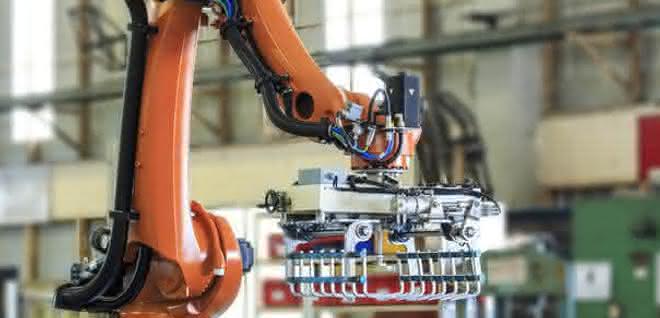
The study is based on Eurobarometer data from 2012, 2014 and 2017. In these representative surveys, a total of 80,396 citizens from 27 European countries were questioned on current issues on behalf of the European Union. During the interviews, the respondents initially described robots in general terms as machines that can assist people with everyday activities, for example as cleaning robots, or work in environments that would be too dangerous for humans, such as rescuing casualties.
The interviewees were then asked about their assessment of robots, and the results were still relatively positive. When confronted with specific applications such as surgical and care robots or self-driving cars, the interviewees gave much more negative assessments. In particular, reservations about robots in the workplace have grown. The researchers believe that this is also due to the fact that the issue of job losses due to robotics applications has become increasingly present in the public eye. However, the use of robots in the workplace is still viewed more positively than their use in operating theaters or in the form of self-driving cars.
However, the basic message of the study is that skepticism towards robots in Europe continued to grow between 2012 and 2017. According to the researchers, this should be a warning signal for politicians and businesses, as negative attitudes towards new technologies could be a sign that these technologies may not be accepted later on and will not be able to establish themselves on the market. More public relations work is now required.


You might also be interested in
German industry under pressure
Industry association cancels growth forecast
The Federation of German Industries (BDI) believes that German industry remains under pressure and expects stagnation instead of growth. At the same time, the association is emphasizing the industry's innovative strength at the Hannover Messe.
 read more...
Why eleven federal states are calling for the use of low-emission steel in the automotive industry
Heads of federal states put pressure on Brussels: Eleven German federal states appeal to the EU to promote low-emission steel in the automotive industry more strongly. The German Steel Federation supports the initiative as an important lever for...
read more...Setting the course for Germany's technological future
The Federal Cabinet adopted the microelectronics strategy today. Germany wants to become a leader in microelectronics. The Federal Government's new strategy: bundling topics such as research, skilled workers and production in order to strengthen...
read more...European elections FSK 16
Good news: over the past 20 years, voter turnout in European elections in Germany has risen continuously - from 43.0% to just under 64.8% recently. I like the idea of allowing young people aged 16 and over to participate in politics in the form of...
read more...Democracy project
Many people are taking to the streets these days because they are fed up with right-wing hatred and populism. Industry is also aware of its social responsibility. "Transformation as the project of the century" is the title of a paper published...
read more...Artificial intelligence in Germany
Microsoft invests 3.2 billion euros in AI infrastructure
Microsoft has announced the largest investment in its 40-year history in Germany to accelerate the possibilities and benefits of artificial intelligence (AI) in the country.
read more...Plagiarius 2024 negative prize
On January 26, 2024, the Plagiarius campaign awarded its dreaded "Plagiarius" negative prize for the 48th time to manufacturers and retailers of particularly brazen counterfeits and fakes.
read more...100 years of Conrad Electronic
One hundred years of change
Conrad Electronic celebrated its centenary on June 21, 2023 with a gigantic event in the spirit of change. 400 high-ranking guests from business and politics as well as long-time Conrad companions were invited to the logistics center in...
read more...Loss of competitiveness?
The major associations BDI, VDMA and ZVEI are calling for more efforts to ensure that Germany remains competitive on an international level.
read more...