

2026 Annual Press Conference
Pilz Integrates Safety and Security
In light of the new Machinery Directive, Pilz is focusing its portfolio more strongly on the integration of safety and security. New services, the “Myzel Lifecycle Platform,” and solutions for identification and access management are designed to support machine builders and operators in meeting future requirements.
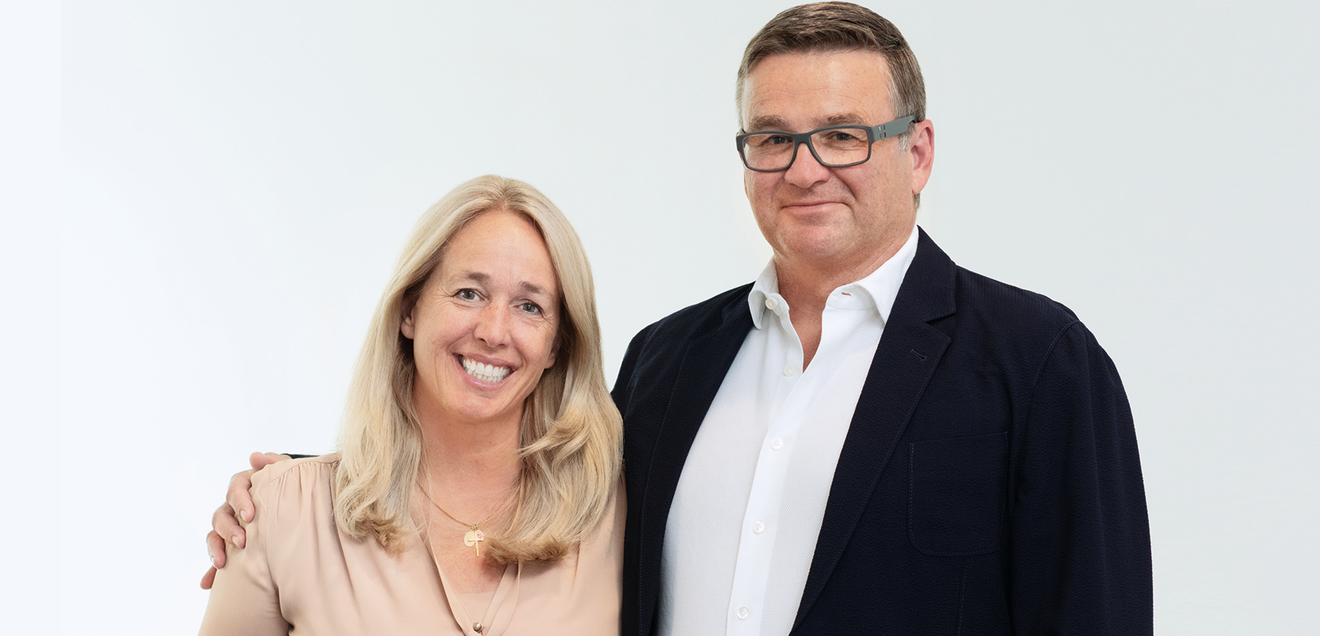
In the future, safety and security must be considered together. Automation specialist Pilz made this message the focus of its international online press conference. This is against the backdrop of the upcoming Machinery Regulation, the NIS 2 Directive, and the Cyber Resilience Act, which place greater emphasis on security than ever before as a prerequisite for the operation and market access of machines in Europe. Thomas Pilz, managing partner, described security as an integral part of modern machine safety. He noted that safety and security are two distinct but inextricably linked dimensions.
For this reason, Pilz is strategically expanding its offerings: In addition to adapting its own products to the new regulatory requirements, the company aims to support machine builders and operators with industrial security solutions and new services. In mid-2026, the company plans to introduce the modular services “Security Evaluation of Machinery (SEM)” and “Security Assessment of Machinery (SAM)” worldwide. These services are designed to help companies assess security risks and identify vulnerabilities in machinery.
The portfolio is complemented by a multi-level training program for industrial security as well as “Identification and Access Management (I.A.M.),” which is designed to regulate secure and traceable access to machines. In addition, Pilz relies on cloud-based applications and AI. At the heart of the system is the Myzel Lifecycle Platform, which enables the digital management of machines, processes, and personnel data throughout their entire lifecycle. According to the company, this creates a comprehensive safety concept spanning everything from the planning to the operation of a machine.
Machinery Regulation Requires New Safety Concepts
Another key topic at the press conference was the implementation of the new Machinery Directive, which takes effect in January 2027. As Jürgen Bukowski, Senior Manager of Global Services at Pilz, explained, manufacturers will need to incorporate security considerations into the design phase moving forward. This includes, among other things, protection against tampering, regulated update processes, digital documentation, and concepts for remote access and diagnostic functions. Those who consider safety and security together from the very beginning will not only be able to meet regulatory requirements but also gain a competitive advantage.
Andreas Willert demonstrated how these requirements can be implemented technically using the “Zones and Conduits” principle. Safety-related functions should be consistently separated from standard automation in order to reduce the attack surface while simultaneously enabling diagnostic functions. The basis for this is provided, among other things, by the IEC 62443 standard and the EN 50742 standard, which is currently being developed.
Regarding AI in the context of safety and security, Thomas Pilz explained: “This is precisely the central issue of functional safety: How do I ensure that an AI does not continue to develop uncontrollably and thereby suddenly cause accidents? This topic is also currently addressed in the guidance document for the new Machinery Directive. At Pilz, we have been using AI for a long time, but always in a tested manner and within clearly defined limits. This is how we ensure that the expected behavior of the safety function is guaranteed at all times. AI is a technology that must be controlled. This example clearly illustrates that, in functional safety, AI must not make mistakes. That is why I would like to conclude by stating: Pilz is among the pioneers in the use of AI. The AI we use is secure. It is safe.”
Myzel Platform Supports Compliance and Operations
With the Myzel Lifecycle Platform, Pilz also aims to provide digital support for the increasing administrative burden associated with compliance. The platform integrates asset management, documentation, workflows, and access management. In addition, the company presented AI features to support risk assessment. The AI analyzes machine images and suggests potential hazards as well as protective measures. However, the final assessment is still carried out by qualified specialists. According to Pilz, all data remains within the protected customer environment and is not used to train AI models.
During the subsequent Q&A session, Bukowski advised companies to finalize their preparations for the Machinery Directive now. Many requirements can already be met today, for example through separate automation structures or clearly defined access rights. Training and services could further facilitate the transition.
Regarding the new EN 50742 standard, Andreas Willert explained that it would provide for two implementation paths. In addition to a specific “Safety-Related Security Level,” it would also be possible to build upon IEC 62443 as an alternative. Both approaches combine technical and organizational measures.
The speakers also answered questions about data protection on the Mycelium Lifecycle Platform. Access to personal data and audit trails was granted exclusively to authorized groups of individuals. The AI merely supports the risk assessment; it does not replace an expert evaluation by qualified personnel.
With its expanded portfolio, Pilz is positioning itself as a provider of a comprehensive safety approach for industrial automation. The goal is to support machine manufacturers and operators in implementing the new regulatory requirements and ensuring the safe operation of networked machines throughout their entire lifecycle.


You might also be interested in
ebm-papst is growing again thanks to AI and data centers
ebm-papst returned to a growth trajectory in fiscal year 2025/26. Air Technology, data center applications, and artificial intelligence are driving revenue and investment.
 read more...
SPE on the Verge of a Market Breakthrough
Single Pair Ethernet (SPE) has moved beyond the conceptual phase and is increasingly being implemented in industrial settings. The focus here is not only on higher data rates and simplified cabling, but above all on the issue of system integration...
read more...More than 900 exhibitors already registered
Around six months before the start of the trade fair, more than 900 companies have registered for SPS 2026 in Nuremberg. The trade fair focuses on industrial AI, cyber security and digital transformation.
read more...Virtual PLCs in practice: How vPLCs make production systems more flexible and scalable
The increasing networking of IT and OT is fundamentally changing industrial automation. The IT/OT Integration Summit shows how modern technologies can make production environments more efficient, flexible and future-proof. The event will focus on...
read more...Sales growth in a turbulent market environment
Thanks to innovations and a focus on strategic industrial markets, Sick was able to moderately increase its sales in the 2025 financial year. In a turbulent market environment, the company was able to maintain its position and gain market share with...
read more...Siemens presents new AI agent
Siemens is launching 'Eigen Engineering Agent', an AI for automation technology. The solution is integrated into the TIA Portal, has been tested with over 100 companies and is designed to significantly accelerate engineering processes.
read more...Schaeffler keeps sales almost stable
Schaeffler generated revenue of EUR 23.5 billion in 2025 and increased EBIT before special items to EUR 936 million. At 266 million euros, free cash flow was significantly above the prior year and forecast. Net income remained negative due to high...
read more...Advancing artificial intelligence together
Helukabel is stepping up its activities in the field of artificial intelligence and is now a member of the IPAI. The innovation and collaboration platform for companies, research facilities, institutions and administration has set itself the goal of...
read more...New impetus for ifm sales
Two new positions were filled at ifm at the start of 2026: Markus Wolf becomes Managing Director Sales Germany, Sven Quant takes over the position of Central Managing Director in the Process Sensors division within the ifm Group.
read more...