

Start to the year without a recovery signal
Aluminum industry under further pressure in 2026
The German aluminium industry is starting 2026 without any discernible signs of recovery, with no signs of a sustained turnaround in either the recycling or semi-finished products segments in the first quarter. Production data in key segments is still below the previous year's level - particularly noticeable for remelters and manufacturers of extruded products.
This development is part of a phase in which the industry has been struggling with weak demand, high location costs and tight raw material markets for several years.
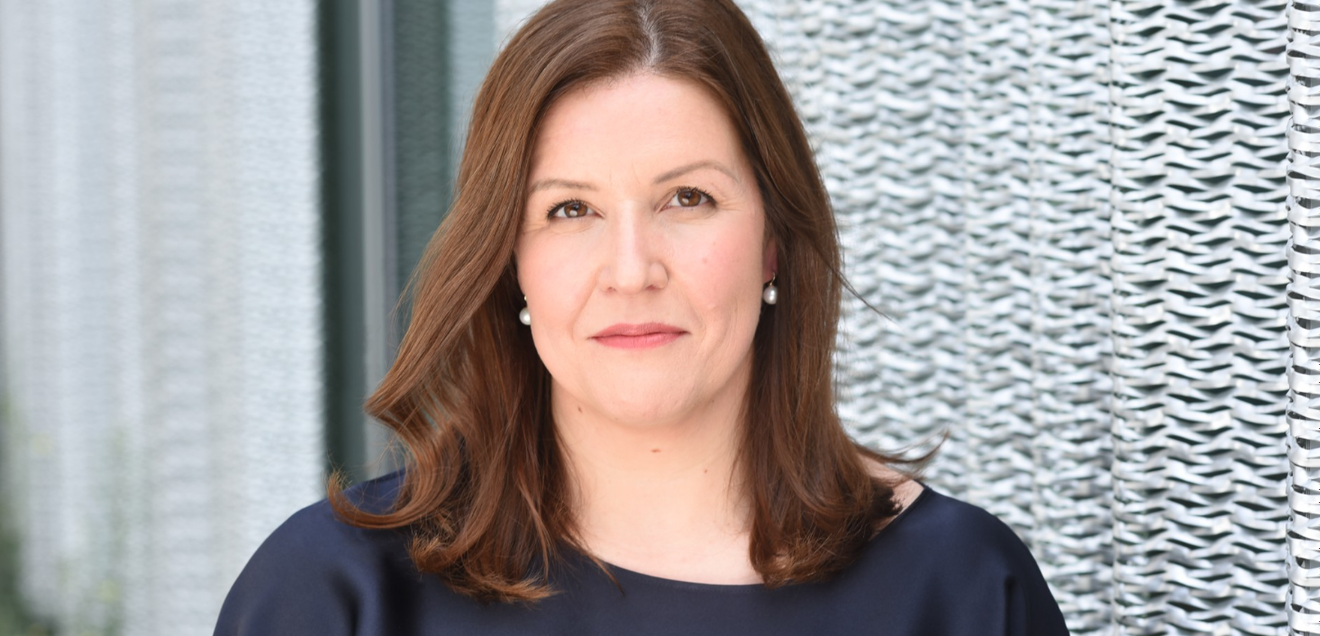
The President of Aluminium Deutschland e. V., Rob van Gils, describes the situation correspondingly clearly:
"The current figures show that the aluminum industry continues to operate in a difficult economic and structural environment. Individual positive developments do not change the fact that central segments are under pressure. The situation will not improve in the long term without a noticeable improvement in site conditions."
Production with no upward trend
In the first quarter of 2026, 684,564 tons of recycled aluminium were produced in Germany. This corresponds to a decrease of around three percent compared to the previous year. The production of semi-finished aluminium products also fell slightly by one per cent to 568,688 tons.
There are therefore no signs of an economic recovery at the start of the year. Instead, the weakness recently observed in the core industrial segments is continuing.
Recycling: inconsistent, but declining overall
In the recycling sector, the picture is mixed - with a negative trend overall. While the so-called refiners were able to increase their production slightly by 2% to 128,639 tons, the production of remelters fell by 4% to 555,925 tons. They therefore remain the main driver of the overall downward trend in the recycling segment.
The situation is further exacerbated by the raw materials side. 85% of companies report a shortage of aluminum scrap. This is a structural problem for the industry, in which scrap forms a central basis for production.
Semi-finished products segment continues to weaken
Momentum also remains weak in the semi-finished products sector. The production of rolled products fell slightly by one percent to 452,894 tons. The decline in extruded products was significantly greater, falling by four percent to 115,794 tons.
This particularly affects customer sectors such as the construction and automotive industries, where demand has been under pressure for some time.
Sentiment remains subdued
The production data is supported by current industry surveys. 66% of companies rate their order situation as poor or very poor, 71% report low capacity utilization. For 2026 as a whole, 57% do not expect any improvement.
There is also a fundamental location debate: 76% of companies believe that it is either not possible or not possible at all to achieve climate neutrality by 2045 and secure industrial production in Germany at the same time. This means that the debate is increasingly shifting from economic issues to structural risks for the future.
Adjustments in the companies
The continuing burden is leading many companies to take countermeasures: Cost reductions, capacity adjustments and location decisions. This also includes job cuts, relocating production and closing capacities in Germany.
In particular, staff cuts are the most frequently cited measure. Industry representatives warn of a permanent shift in industrial value creation abroad if production sites are abandoned.
Demand for better framework conditions
Against this backdrop, the industry is calling for reliable and competitive site conditions. Aluminium Deutschland e. V. refers in particular to energy prices, bureaucracy, availability of raw materials and planning security.
Angelika El-Noshokaty, Managing Director of the association, also describes the situation in general terms:
"The situation in the aluminum industry shows that it is not about a short-term weakness of individual segments, but about the industrial substance of Germany as a business location. High costs, weak demand, scarce raw materials and increasing regulation are all weighing on companies at the same time. In order to maintain production and employment in Germany, the industry needs reliable, competitive and investment-friendly framework conditions."
The industry is therefore not only facing a period of economic weakness, but increasingly a structural burden that will last beyond 2026.


You might also be interested in
German Business Hopes for a Easing of Tensions
The German economy is showing signs of a cautious recovery. The ifo Business Climate Index rose to 85.6 points in June 2026. Companies are assessing the current situation and their expectations somewhat more positively, but remain largely cautious.
 read more...
HIMA Is Growing Despite Challenging Markets
The HIMA Group will increase its revenue to 190.5 million euros in 2025. International business, digitalization, and partnerships are driving this growth.
read more...Machine Tool Manufacturing Offers Hope
New orders are rising significantly again for the first time
New orders in the machine tool industry are rising significantly again for the first time. However, production, exports, and employment continue to decline.
read more...Thousands of Jobs Under Scrutiny
Evonik's Mass Layoffs: A Warning Sign for the Chemical Industry?
Evonik is restructuring the group and downsizing: The Essen-based specialty chemicals company is cutting thousands of jobs. But there is more to these job cuts than just a cost-cutting program.
read more...Accelerate the Expansion of Electric Mobility
Rittal and EcoG Expand Partnership for Charging Infrastructure
Rittal and EcoG are expanding their collaboration. The focus is on modular charging infrastructure for electric truck depots and integration into energy systems.
read more...International Federation of Robotics
U.S. Robotics Industry Sees Double-Digit Growth
In the U.S., sales of industrial robots rose by 11% compared to the previous year: 38,000 units were newly installed in 2025. This significant recovery is driven by robust growth in the food industry and other non-manufacturing sectors. However, the...
read more...Increased revenue and expanded production capacity
The Fraba Group, a manufacturer of sensors for industrial motion control, looks back on a successful 2025, a year in which both revenue and the number of employees increased.
read more...Integration Meets Reality
OT meets IT – the two worlds are meant to converge, data is meant to flow, and production is meant to become smart. Yet the reality in industry often remains stubbornly contradictory: while systems have long been technically interconnected, they...
read more...Building application submitted for plant...
Hummel invests 35 million euros in the Denzlingen site
Hummel AG is expanding its plant in Denzlingen with an investment of 35 million euros. The building application includes new buildings, electroplating and modern recovery technology.
read more...