

Sustainability
The future of growth and profitability
Over the years, the topic of sustainability has always been a challenge for companies, as it has repeatedly moved into the organizational and political focus. Alongside periods of intense progress, there have also been times when industries have struggled to adapt to new regulations and regional differences. However, one thing has become clear: Sustainability is a driver of growth and profitability.
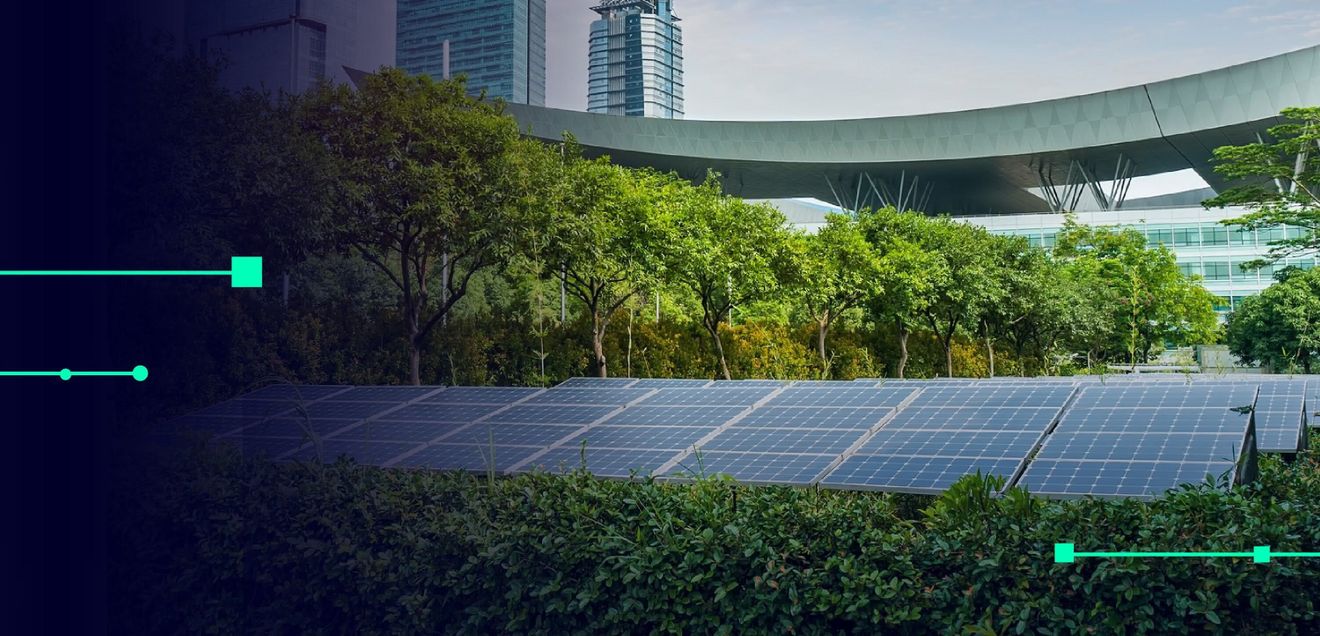
Companies that prioritize sustainability are positioning themselves for long-term success. In the face of pressing challenges such as climate change, evolving geopolitical regulations and increasing consumer demand for environmentally friendly products, companies must adopt sustainable practices not only to remain relevant, but also to thrive.
With this in mind, we take a look at the trends, innovations and pioneering companies that are shaping the future of sustainability.
The amount of industrial waste is higher than ever before, with only 7.2% of materials used worldwide being recycled in 2023. This presents a huge opportunity for companies to save both costs and resources by switching to a circular economy. The Circularity Gap Report highlights that companies can reduce theirCO2 emissions by over 39% by focusing on resource recovery and reuse across the entire product lifecycle, right into supply chains.
The circular economy also helps to address resource scarcity by ensuring the availability of key materials. A circular economy is based on a framework of "R-strategies" that guide circular design and manufacturing to maximize resource use and minimize waste:
- Reducing
- Repairing
- Refurbishing
- Remanufacturing
- Recycling
Digital twin: sustainability right from the start
The transition from a linear economy to a circular economy starts with design, as studies show that 80% of a product's environmental impact is determined in the development and design phase. The digital twin - a digital representation of a physical asset or process based on a powerful physics-based simulation - is a critical tool for developing smarter, more efficient machines, products and processes. It enables engineers to focus on sustainability from the outset, rather than building it in later.
The digital twin helps to define and optimize products and production systems, significantly reducing the need for physical prototypes before investing in physical equipment. At the same time, valuable resources can be saved. Creating a digital twin and using tools such as design and simulation software allows companies to incorporate circular thinking into every stage of the product lifecycle - from design through production and use to the end of the lifecycle. The digital twin is also suitable for understanding cause and effect in the supply chain. By virtually replicating real networks and processes, disruptions and changes can be simulated in advance, their impact assessed using real data and more informed decisions made with greater transparency.
Life cycle analyses, the simulation of R strategies and the linking of designs with supply chains enable companies to optimize their resources and reduce waste. Digital technologies such as the digital twin, artificial intelligence and IT/OT convergence can also improve production efficiency. Automation and predictive maintenance extend the service life of machines, reduce downtime and minimize resource consumption. Once the products are in use, tools such as asset management software ensure optimum resource efficiency. They also enable well-founded maintenance. The battery passport acts as a digital data record for individual batteries and documents their entire life cycle. The spread of such innovations simplifies reuse and recycling.
The circular economy follows the path of a product until the end of its life. Through the use of advanced recycling technologies supported by automation, materials can be recovered for future reuse. Circular alternatives such as biodegradable plastics benefit from flexible production systems that adapt to new processes and drive the zero-waste economy. Implementing the circular economy is a long-term solution that enables companies to achieve more with fewer resources. This protects the environment and improves companies' balance sheets.
Fürth and Spinnova as role models for progress
The Siemens electronics plant in Fürth was recently honored by the World Economic Forum with the Sustainability Lighthouse Award for its pioneering role in the areas of energy efficiency,CO2 reduction and resource conservation. The plant demonstrates how sustainable results lead to a more profitable business. Among other things, the company has achieved the following cost-efficient benefits per throughput: 64% energy savings, 72% less greenhouse gas emissions and 47% less waste. In addition, production throughput has increased by 145%.
These achievements are a direct result of the plant's focus on a circular economy. By tracking products throughout their life cycle, Fürth uses spare parts and repairs to extend the life cycle of the products. This avoids emissions that would otherwise be generated during production, scrapping and recycling. With the long-life repair service, the plant offers an extended service for selected products. At the beginning of 2025, there were already over 300 long-life repairs, and this number is set to rise to 2,000 by 2026. Building on its significant energy savings, Fürth is aiming forCO2 neutrality by 2026. While this goal may seem ambitious, the plant's commitment to sustainable practices and circular economy shows a clear path to making this vision a reality.
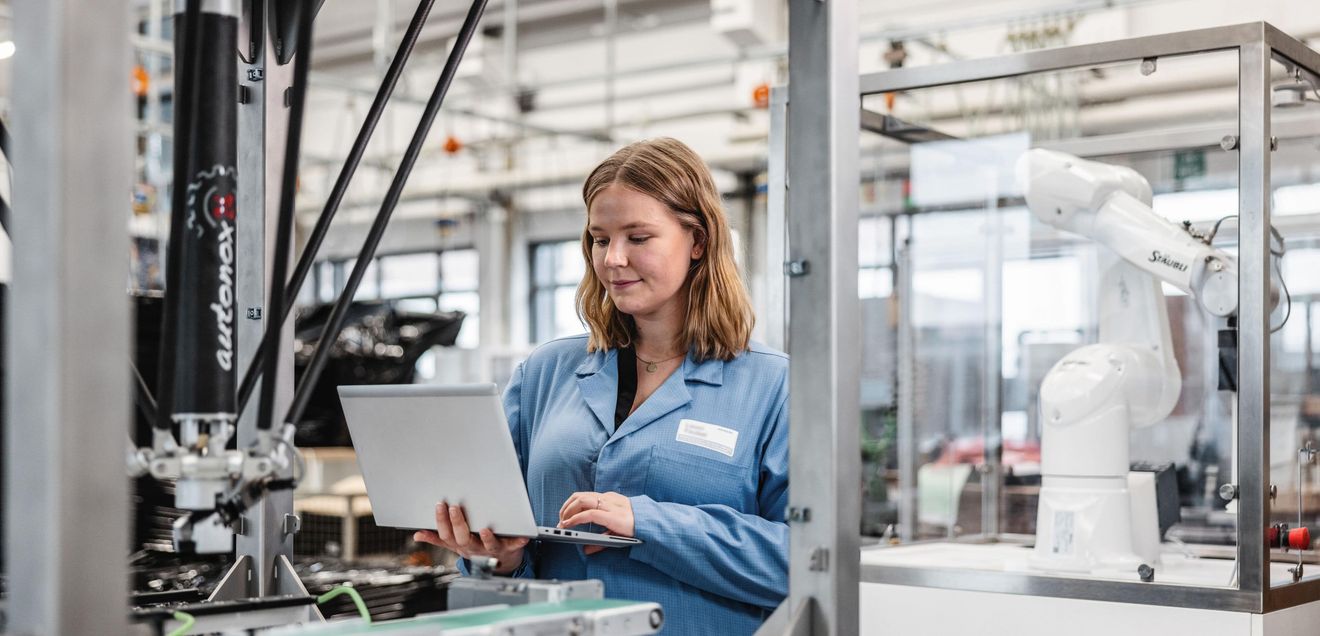
Like the Fürth plant, the Finnish textile company Spinnova is also relying on circular models to redefine sustainability in the textile industry. The fashion industry generates over 90 million tons of waste per year and consumes even more water. Spinnova has therefore set itself the task of making the textile industry more sustainable. The company's technology enables raw material producers, fiber manufacturers and other companies in the industry to produce fibers from a variety of cellulosic raw materials through a mechanical process. This unique production process, inspired by how spiders weave their webs, creates materials that look and feel similar to cotton and linen. By using Siemens technology to support innovation and design, Spinnova has managed to make a sustainable impact on an industry that traditionally produces a lot of waste.
AI optimizes sustainability
AI is another digital tool with the potential to boost the circular economy and sustainability efforts as a whole. Although it is a much-discussed topic, its potential for sustainability is only just beginning to be discovered. However, this requires strategic implementation and scalability, which is only possible with industrial-grade AI. This classification is only used for AI that meets high standards of quality, safety and reliability to meet the requirements and standards of the most demanding environments. The advantage of AI lies in its ability to process large amounts of data and recognize hidden patterns. This capability not only helps companies accelerate their digital transformation by identifying inefficiencies to reduce emissions, but also enables the circular economy within the digital enterprise.
But what does this look like in practice? As a sustainable digital company, the Siemens electronics plant in Erlangen uses industrial AI to collect, network and understand data. This makes it easier to identify and implement sustainability issues. For example, the plant has identified the following improvements:
- Energy consumption has fallen by 25% and net carbon emissions by 50%
- Targeted improvements in production efficiency have reduced energy consumption in production by 50%
- Electricity consumption for ventilation in the production hall has fallen by 70%
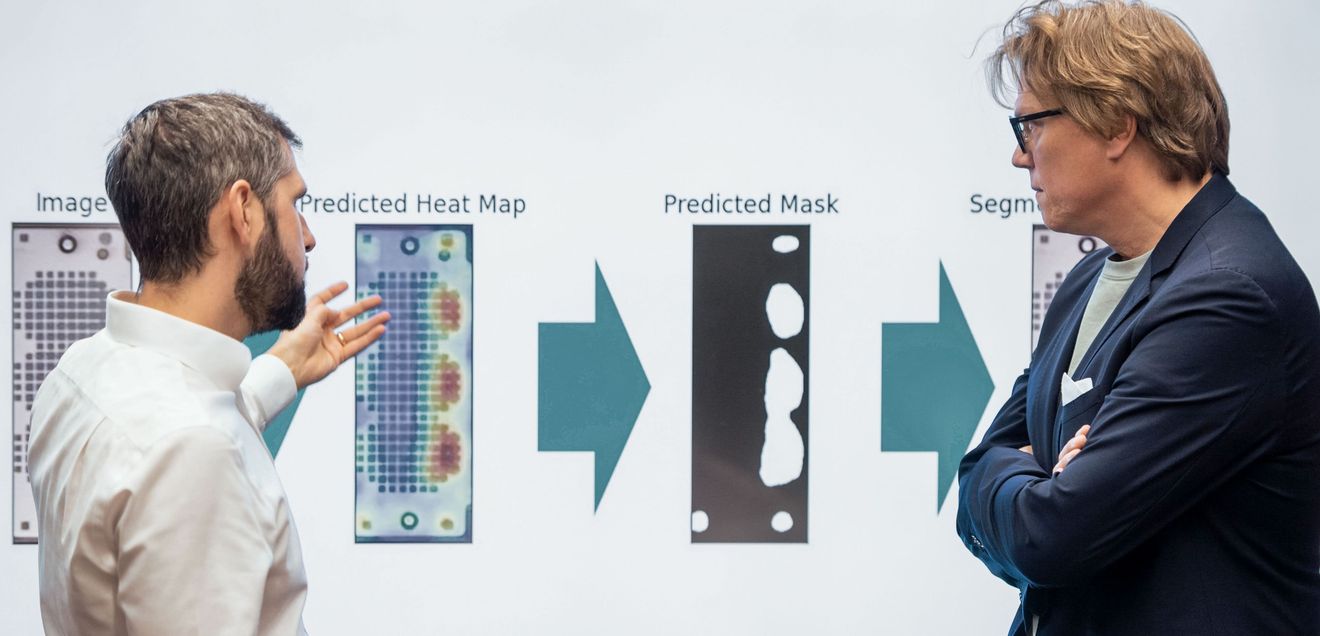
The Erlangen plant also uses robots to process its PCB components with high precision. The increased precision of the now automated assembly process has significantly reduced material and energy waste. As the intelligent robots no longer require pre-sorted parts, the plastic inserts that were previously needed to organize the sorted parts are no longer necessary. The result is the elimination of thousands of plastic parts that would have ended up as waste. These environmental and cost savings would not be possible without AI.
Efficiency meets responsibility
The future of sustainability is one of opportunity and change. With the help of circular economy and AI, companies can exceed regulations and create real value by cutting costs, increasing efficiency and reducing waste. Companies and factories can look to trailblazers like Siemens factories or customers like Spinnova to see that sustainability is not only a responsibility, but also a profitable strategy. Through new and ongoing innovation and progress, sustainability will soon be inextricably linked to profitability and overall success.
Eryn Devola, Head of Sustainability, Siemens Digital Industries


You might also be interested in
When heat slows down production
Cooling concept for industrial halls with significantly reduced energy requirements
Infranorm is developing a cooling concept for industrial halls based on two-stage adiabatic cooling. According to the company, energy consumption can be reduced by up to 95 percent.
 read more...
Environmental technology as the industry of...
Ifat reports record figures for its 60th anniversary
Ifat Munich 2026 records record numbers with 3,400 exhibitors and 142,000 visitors The circular economy and water technologies are becoming key global industries.
read more...Sustainability needs decisions
To mark Earth Day, Nagarro is calling for a rethink: sustainability should no longer be documented, but actively managed - with artificial intelligence as a central lever. Because AI brings light into the darkness of global supply chains.
read more...Siemens Nanjing plant becomes Lighthouse Factory
The World Economic Forum has recognized the Siemens plant in Nanjing as a Lighthouse Factory. The factory was recognized for its AI-supported, fully digitalized production and significant improvements in productivity, quality and sustainability.
read more...Foundry modernizes plant park with continuous wire belt shot blasting system
The Spanish foundry Funosa is modernizing its equipment fleet with an RDGE 1250 wire belt continuous shot blasting machine from Rösler. Focus: sand removal from heavy iron castings, energy efficiency, ease of maintenance and ESG strategy.
read more...Maintenance instead of replacement
The circular economy starts with the machinery
Sustainability in industry starts with machines, says our guest author from Deguma: How maintenance, modernization and the 5R strategy save resources, energy and CO₂.
read more...Alpla continues to grow: 5.2 billion euros turnover
Alpla can look back on a successful financial year 2025 despite the difficult global economic situation. With revenue of 5.2 billion euros, the packaging and recycling specialist remains on course for growth.
read more...Interview with Prof. Dr. Vanessa Just
How sustainable is AI? Expert explains opportunities and limits
Artificial intelligence is changing the economy and society: but how sustainable is the AI boom really? In this interview, Prof. Dr. Vanessa Just talks about sustainable digitalization, responsible technologies and the role of the next generation in...
read more...Siemens Sustainability Report 2025
Sustainability successes in three impact areas
Siemens reports on significant progress within its DEGREE framework in its latest sustainability report. The company has made strong progress in decarbonization, resource efficiency and social responsibility.
read more...