Light metals
About the term light metals
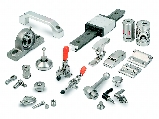
Light metals are metals and alloys with a density of less than 5 g/cm³. In technology, aluminum, magnesium, titanium and, to a lesser extent, beryllium and lithium are mainly used. Typical characteristics of light metals are their relatively high strength and relatively low weight. Other advantages include corrosion resistance.
Light metals in technology
Today, light metals are used on a large and growing scale in automotive and vehicle construction, aerospace, architecture and construction - often as part of composite material solutions.
Processing of light metals
The processing and machining of metallic lightweight materials is basically the same as for other metals. However, there are numerous parameters that are typical for recyclable materials with regard to their plastic deformability, their mechanical strength, their surface coating and their joining technology (welding, bonding, screwing, riveting, etc.). Light metals are becoming increasingly important today in connection with the development of energy-efficient and environmentally friendly designs in all areas of technology.
Properties of the most important light metals
Aluminum is extracted from bauxite and is the third most common element in the earth's crust (after oxygen and silicon). Its advantages include low density, corrosion resistance, good electrical conductivity, good mechanical processing (machining, casting, welding). It is hardenable, shows no drop in notched impact strength, serves as a decorative surface and is recyclable. One disadvantage is the high energy input during extraction and production. Its strength is lower than that of steel. Aluminum is more expensive on the world market than unalloyed structural steel and simple plastics.
Magnesium is mainly used in aircraft and vehicle construction and is the lightest utility metal. It has a very low density and is easy to machine and cast. It can be hardened and is also recyclable. However, it is susceptible to corrosion and has lower strength and rigidity than aluminum. Fine, flammable chips are produced during machining. The cold formability of magnesium is considered poor; its weldability is problematic. The material price is higher than that of aluminum.
Titanium is the heaviest of the light metals. The raw material titanium ore comes mainly from the USA, Canada, Australia and Scandinavia. Its advantages include its low density, high corrosion resistance and very good strength. Negative aspects include the high material price and poor machinability. Of the casting techniques, only vacuum casting is an option.
Beryllium is mainly used in medical technology (X-ray technology), reactor technology and aerospace technology. Its advantages include its low density and high rigidity. On the other hand, it is difficult to form. Its metal dusts are very toxic; its production and processing are very expensive.
Light metals and SCOPE
The industry magazine SCOPE and its internet portal SCOPE-ONLINE regularly report in various facets on the processing and machining as well as the use of lightweight metals - especially aluminum - in automotive and vehicle construction, aerospace, architecture and construction.